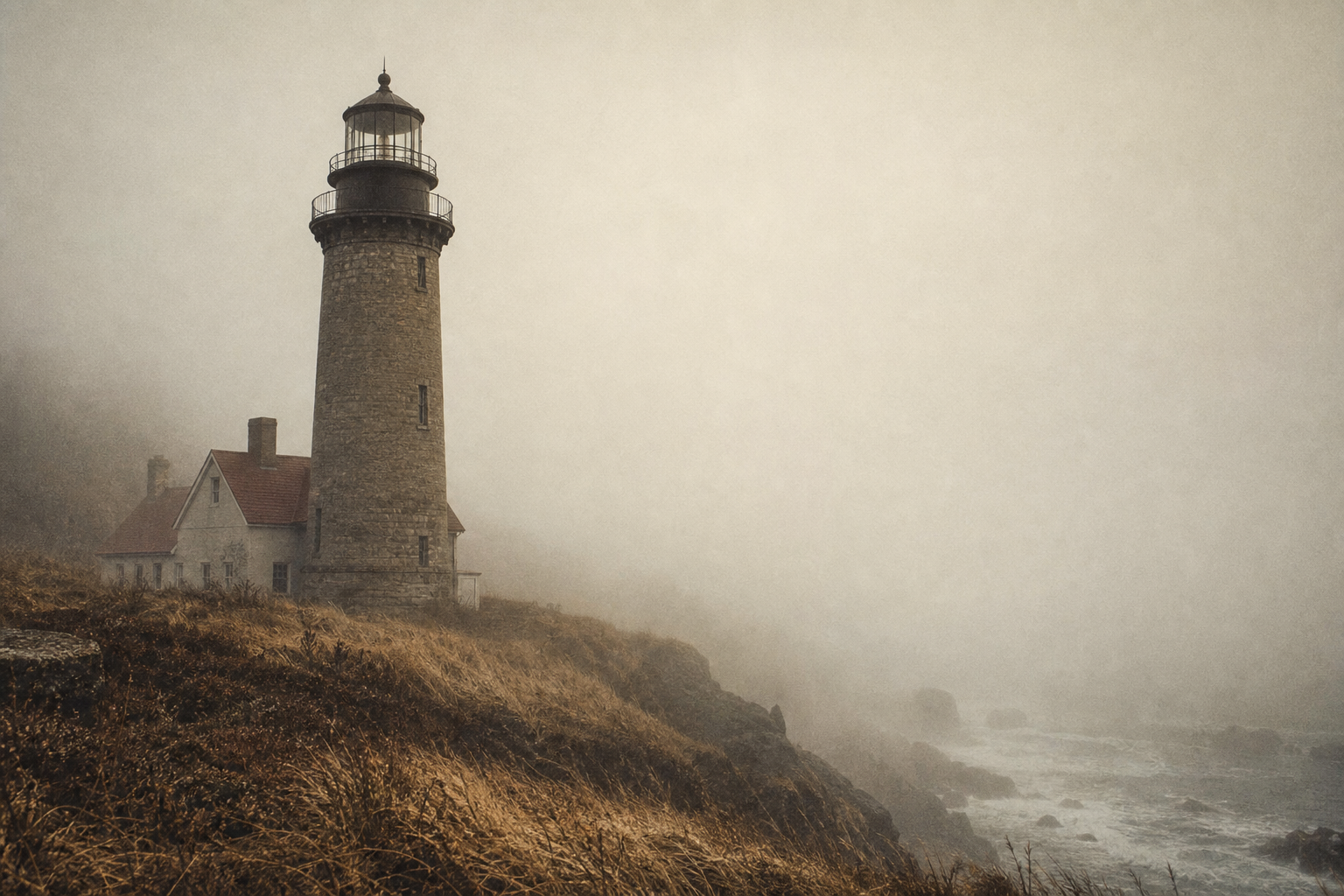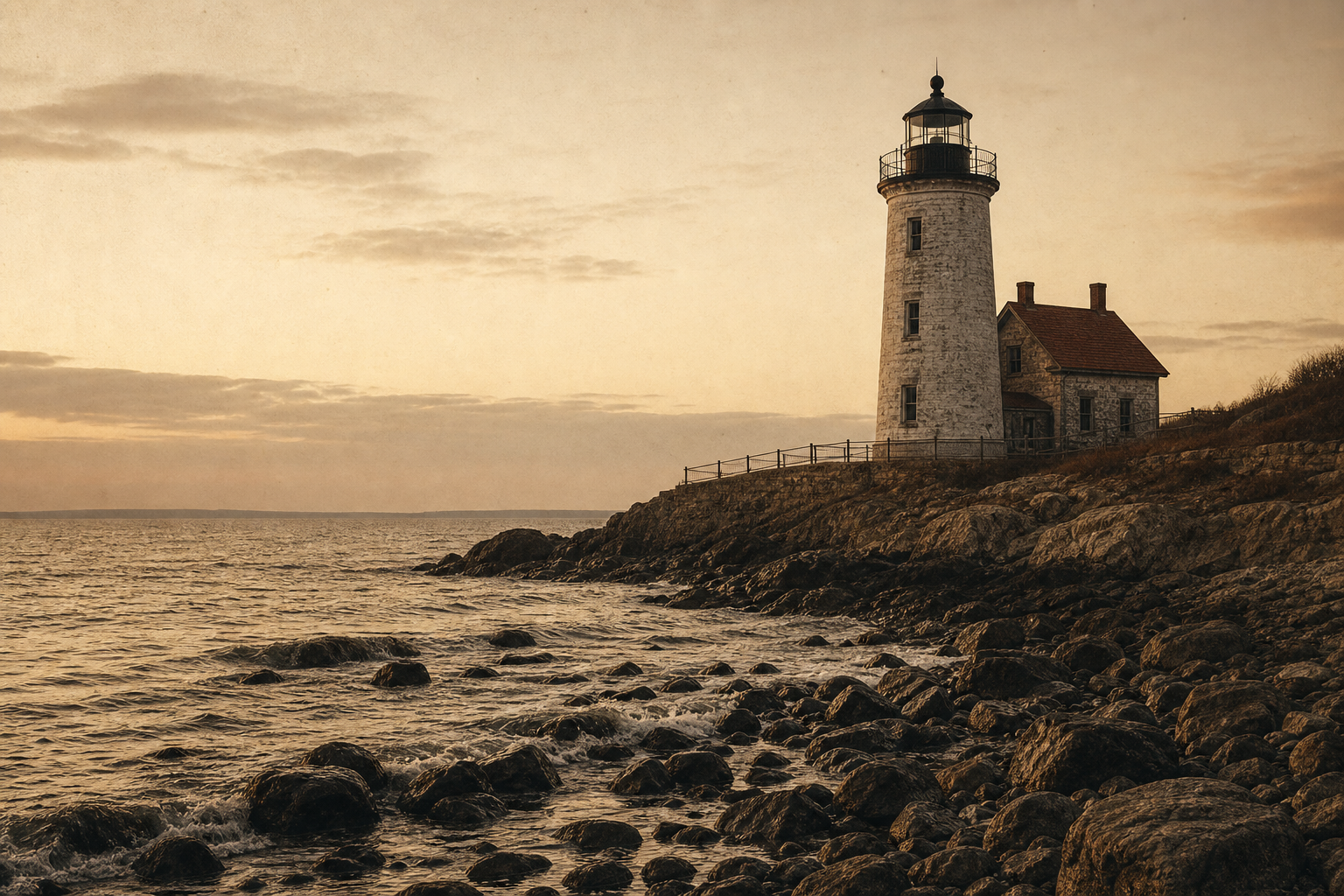
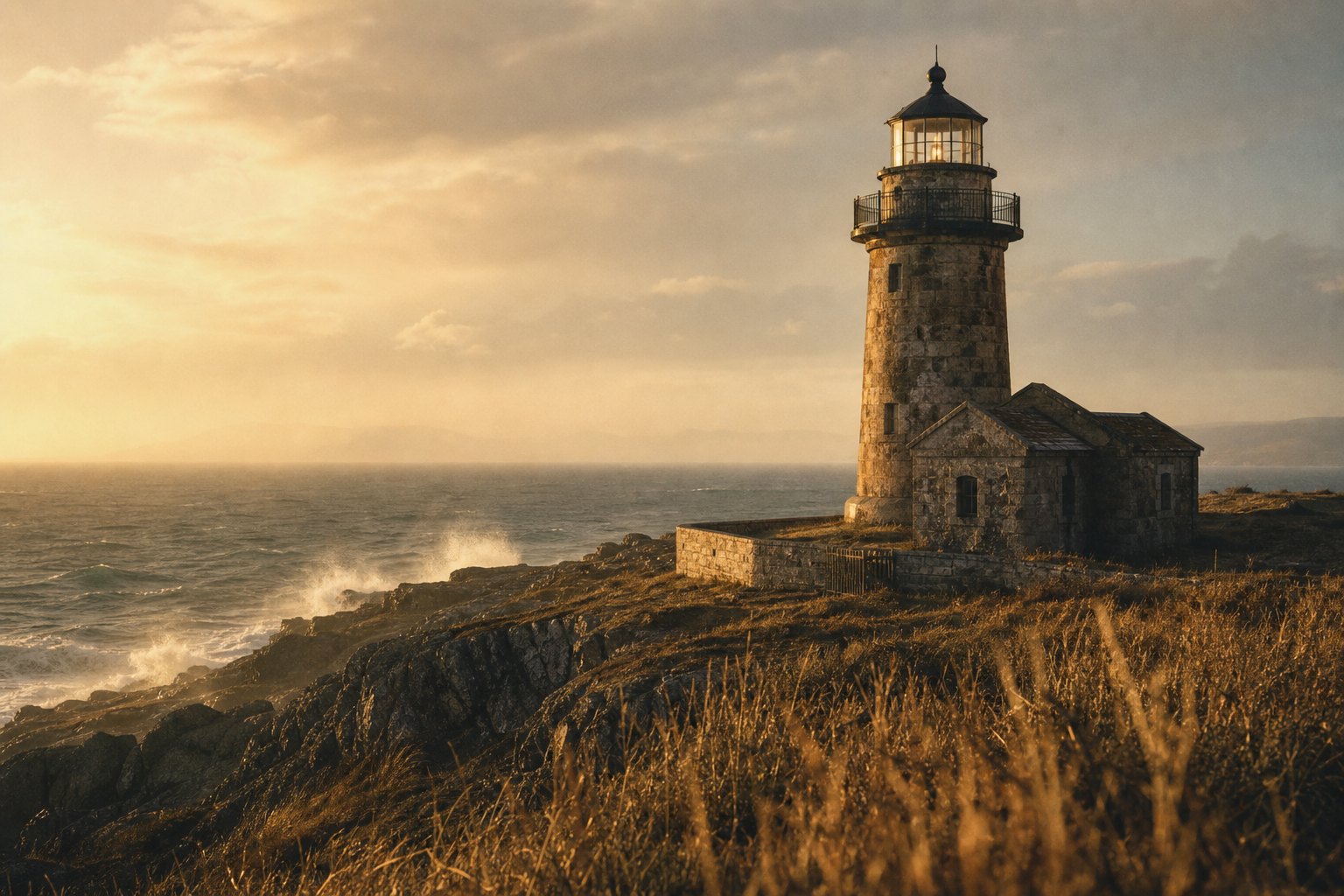
Weathered stone lighthouse on a windswept northern headland at golden low light, with sea spray, soft haze, and archival film-grain atmosphere

Northern coast maritime archive

Lighthouses of the Northern Coast

Trace the beacons, keepers, and surviving towers that shaped the shoreline.

Explore archival photographs, first-hand keeper recollections, and preserved landmarks that continue to watch over the sea.

Archive views

Period photographs with annotated context.

Keeper accounts

Voices from journals, logs, and oral memory.

Preserved towers

Current sites mapped for heritage exploration.

A coast shaped by light and weather

Along the northern coast, early shipping lanes threaded through headlands, hidden shoals, and narrow harbor mouths where fog could erase distance in minutes. Lighthouse towers rose first as practical instruments of survival: fixed points that translated dangerous water into readable signals for captains carrying timber, grain, mail, and crews between exposed ports.

As trade intensified and seasonal storms grew better documented, beacon networks became more systematic, pairing lantern ranges with local knowledge of tides, winter ice, and shifting sandbanks. These stations were never only engineering works; they were inhabited outposts where keepers maintained light, clocks, and weather records so passage remained possible when visibility, wind, and sea state made every approach uncertain.
Coastline chronology

How the northern coast beacons changed over time

From improvised warning fires to modern preservation work, these milestones map the major eras that shaped the lighthouse network along the northern coast.

  1. Early warning lights

    Headland fires and simple lantern towers marked dangerous entries for coastal traffic.

    Before 1780

  2. Masonry expansion

    Stone towers and standardized optics extended reliable navigation along the coast.

    1780–1880

  3. Keeper life at full operation

    Families staffed isolated stations, maintaining lamps, logs, and storm watch routines.

    1880–1950

  4. Automation and decline

    Electrification reduced staffing, and several towers were decommissioned or neglected.

    1950–1990

  5. Preservation and memory

    Community trusts restored key towers and reframed them as shared coastal heritage.

    1990–today

Keeper Stories

Where the light was kept by hand, habit, and memory.

Three quiet records from the northern stations: work before sunrise, home life at the edge of the sea, and the final handover to automation.

Winter Watch 1908 logbook
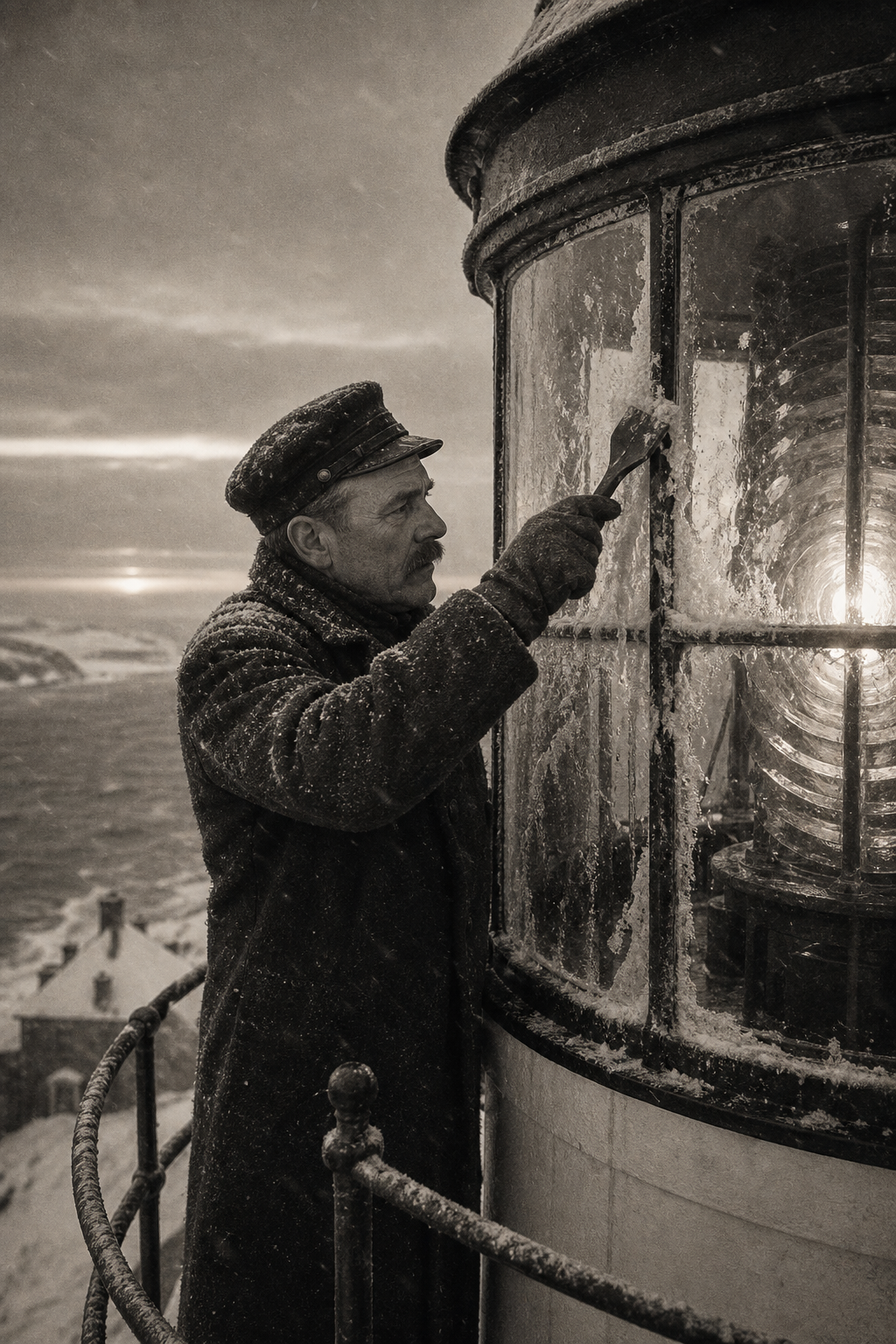
Portrait-style archival scene of a lighthouse keeper clearing ice from lantern glass before dawn in windblown winter weather

Dawn Rounds in Salt Wind

Before first light, keepers climbed frozen steps to trim wicks, clear frost, and reset mirrors so the beam would hold through squalls.

Read station routine
Station Home family letters
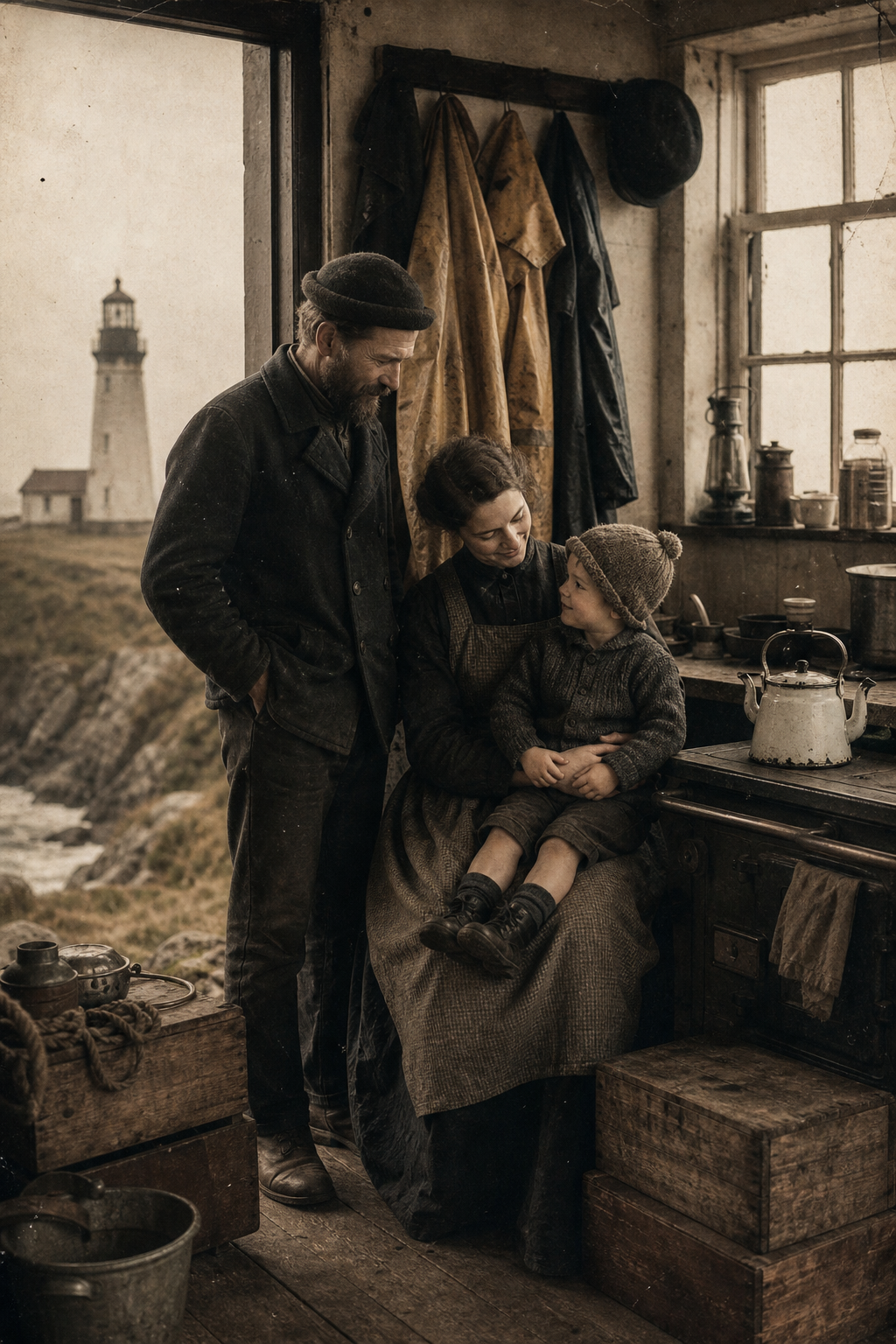
Archival family portrait near an isolated lighthouse kitchen doorway with oil coats, wooden crates, and muted coastal light

Families at the Edge

Children learned tides like calendars, while shared kitchens, weather notes, and supply boats stitched ordinary life into remote towers.

Read daily life notes
Automation Era 1960s transition
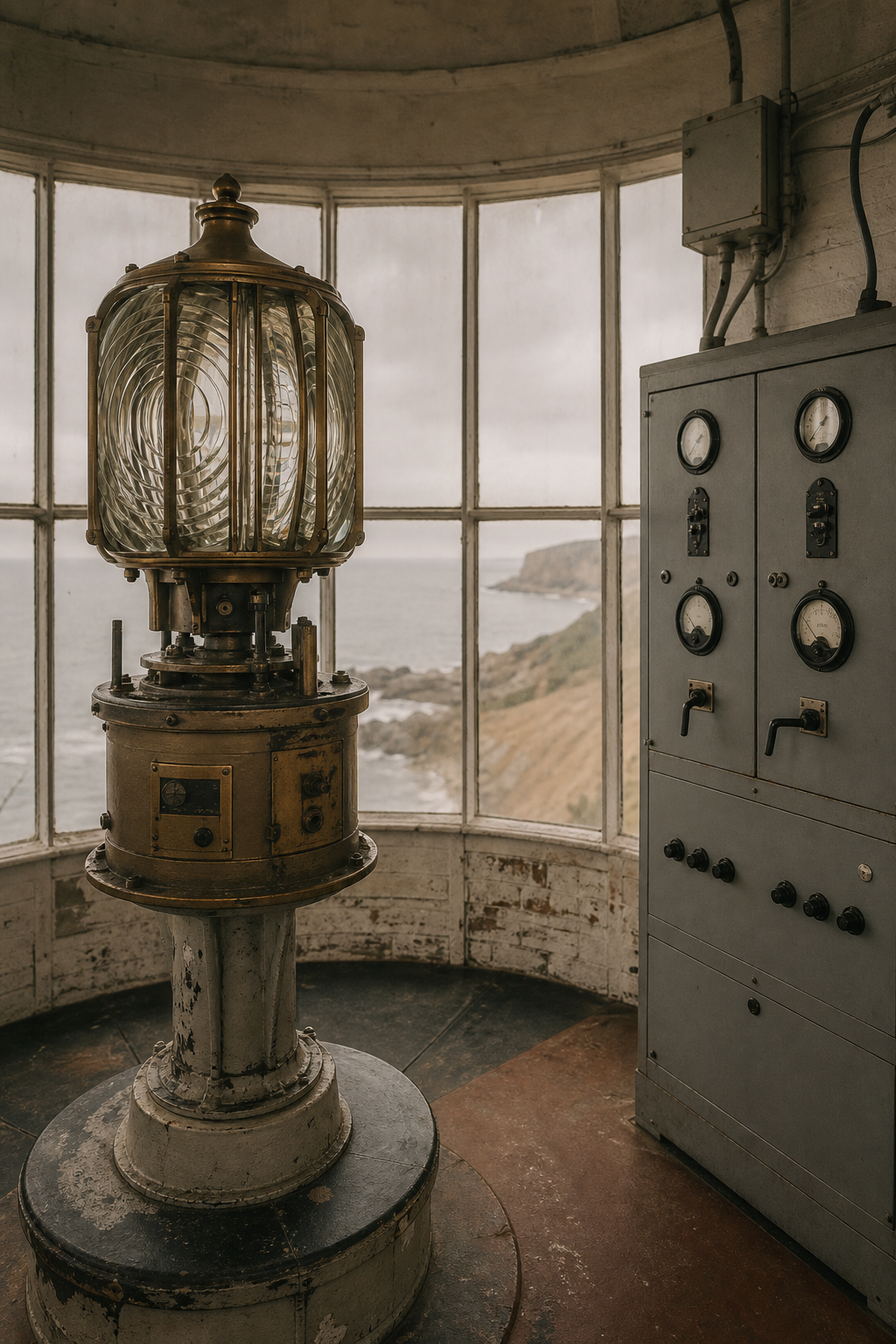
Quiet archival interior of a lighthouse lamp room with electric control cabinet beside an older brass lamp assembly

When Lamps Went Unmanned

Automation shortened shifts, but many keepers stayed to document fog cycles, repairs, and the coastal knowledge machines could not yet read.

View transition archive

Preserved Towers Atlas

Where the Beacons Still Stand

From weathered headlands to sheltered harbor mouths, these five preserved towers trace the northern shoreline’s surviving lights.

Visitor guidance

Visiting notes

A few practical answers to help you plan a respectful, weather-aware visit to preserved northern coast lighthouse sites.

Can I enter every preserved lighthouse tower?
Not always. Some towers open only on guided days, while others remain view-only for conservation or safety reasons. Check the managing trust or museum listing before you travel.
What seasonal weather should I prepare for on the northern coast?
Conditions shift quickly across all seasons. Bring a windproof layer, waterproof footwear, and allow extra time for fog, rain, or sudden gusts along exposed headlands.
Who usually manages these lighthouse sites and collections?
Most are cared for through partnerships between local museums, heritage trusts, and municipal authorities. Their notices are the best source for hours, closures, and volunteer-led events.
How can I photograph responsibly and stay on safe paths?
Use marked routes, keep clear of cliff edges, and avoid crossing barriers for a shot. Photograph without blocking narrow paths, and leave vegetation, masonry, and artefacts untouched.
At restored sites, what original features might still be visible?
Many retain lantern rooms, keeper cottages, signal fittings, and stone approach works. Interiors vary, but interpretation boards often explain which elements are original and which were reconstructed.